
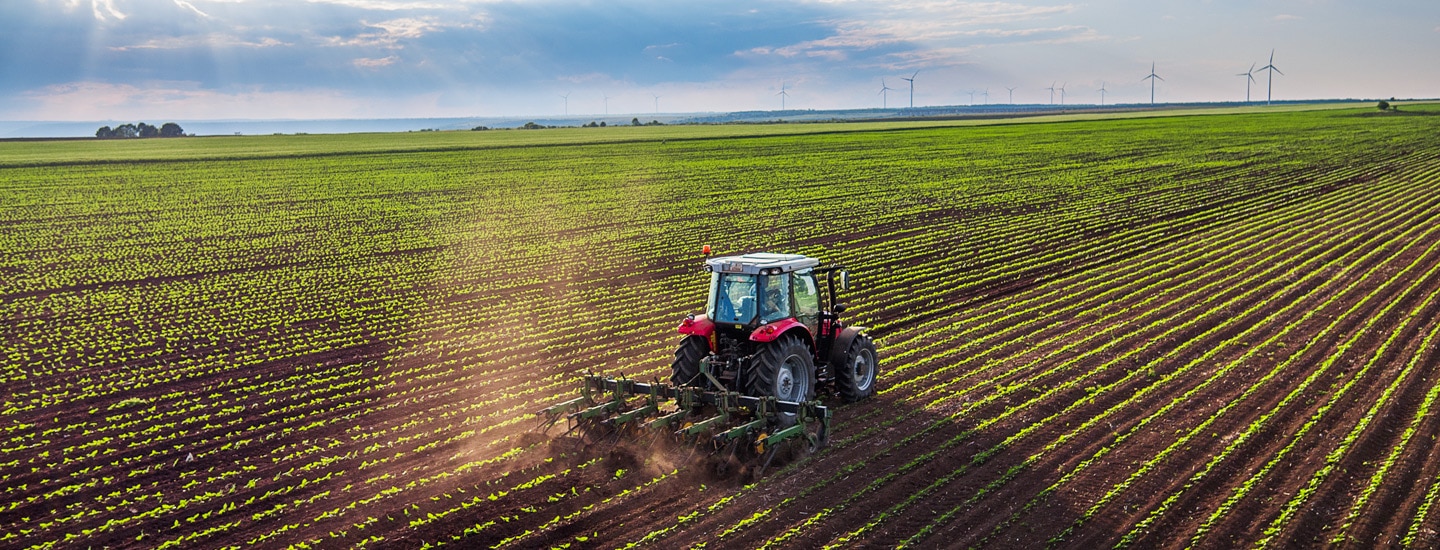
Did you know that this biofuel is made from French beet and is entirely eco-friendly? Here is why bioethanol has a bright future ahead of it:
Bioethanol: a fuel for the future
Pur-Ethanol bioethanol is indeed a biofuel*. It would be reductive, though, to define it purely as an alternative to diesel and other polluting fuels. Among all the characteristics we can attribute to it, some respond favorably to several major environmental issues.
Let us begin by noting that more systematic use of bioethanol in French homes is possible. First, substituting bioethanol for polluting fuels would lead to lower greenhouse gas emissions. Widespread use of this biofuel would embody broad public support for the basic principles of the energy transition. In short, the social commitments made against global warming would become more effective.
Using bioethanol = benefits for the biosphere:
- Reduced dependence on fossil and polluting energies
- Significant reduction in wasted energy and CO2 emissions
- Promotion of renewable energies and of their use in the home.
A driver of economic development
Choosing bioethanol over polluting or refined fuels means giving yourself the means to reach global environmental goals. It means ipso facto taking part in promoting it as an eco-friendly consumable. As well as encouraging the spread of environmentally responsible habits that should reduce polluting emissions, wider use of bioethanol makes it possible to mobilize the whole agricultural potential of the European Union.
It is fair to point out that rising demand for bioethanol means growing involvement from farmers in growing sugar beet. Pur Ethanol relies on their knowledge of seasonal sowing.
In other words, using an unrefined organic product can have economic repercussions. Because it implies the development of local farming and specific know-how, potentially positive results in terms of the trade balance, employment and rural activity are entirely conceivable.
(*) A fuel — liquid in the case of bioethanol — produced from organic material (biomass). The major advantage of biofuels is that they reduce industrial and manufacturing dependence on fossil energies.