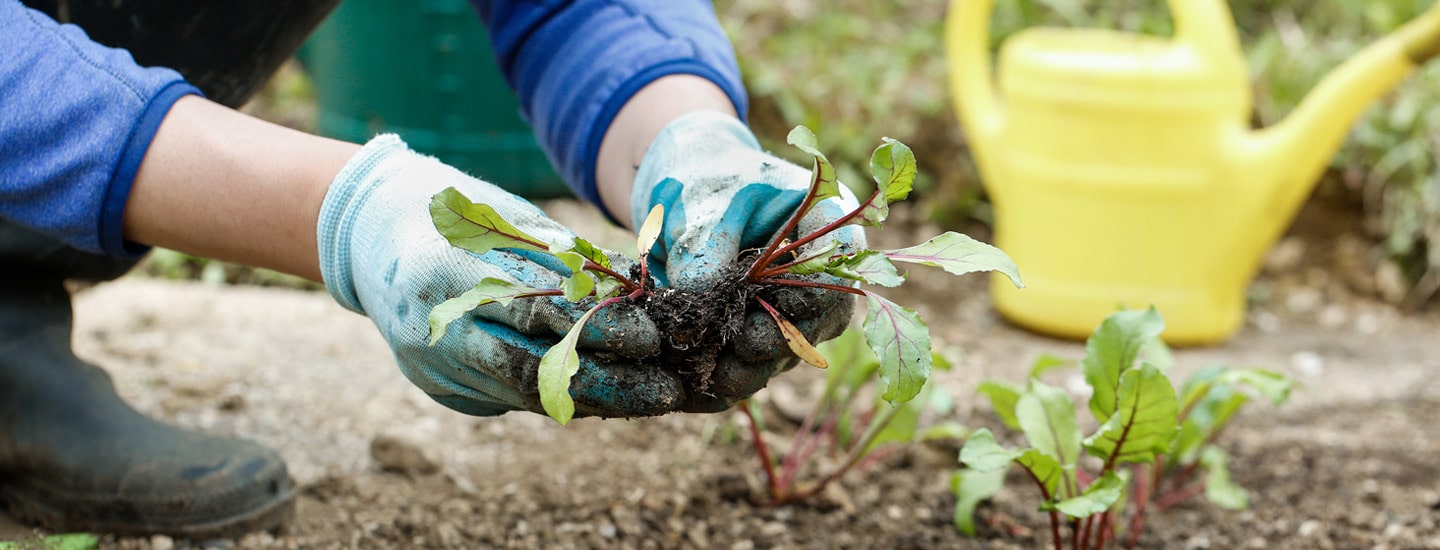
Pur-Ethanol and growing sugar beet
Ethanol can be produced from three different crops: maize, wheat and beet.
Pur-Ethanol chose to draw on the sugar and the natural properties of beet. Sugar beet is a biennial crop, meaning it develops over two years. It can be harvested during the first year of growth, in autumn. That is also when sugar is present in the greatest quantity.
How do you go from beet to bioethanol?
We make
our fireplace bioethanol from a sweet syrup extracted from sugar beet. This so-called “low purity” sweet syrup is a molasses that has to be fermented.
Obtaining a
quality bioethanol that meets the standards of
Pur-Ethanol takes several stages.
Fermentation yeasts are added to the molasses before the
distillation stage. That gives a raw alcohol of natural origin.
Finally, the
dehydration stage removes the last water molecules. The
organic fuel obtained is then purer and more concentrated in alcohol.
Obtaining a 96% denatured alcohol marks the end of the production process.
French production, an eco-friendly product
France is one of Europe’s largest producers of sugar beet. With
Pur-Ethanol, you are guaranteed a
100% French bioethanol, from manufacture to delivery. “Made in France” production values matter to us.
The bioethanol produced by Pur-Ethanol is an agricultural, organic fuel. Making the use of
organic ethanol fires more widespread is a major environmental issue. Wider adoption would help reduce our dependence on fossil fuels. Promoting
ethanol would also significantly reduce CO2 emissions into the atmosphere.
For your
eco-friendly bioethanol purchases, this way!